
 Peter Moore
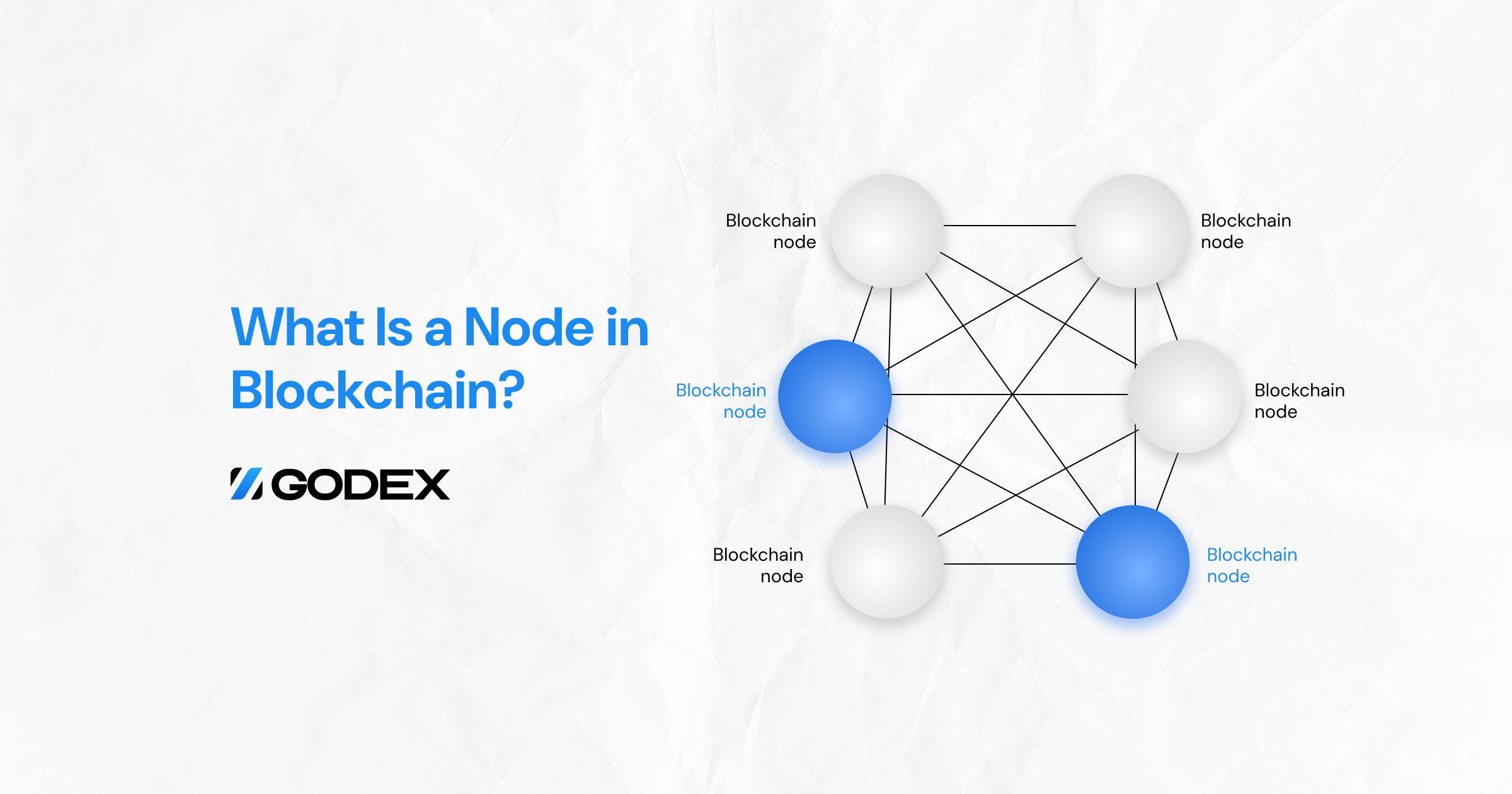
Table of Contents
You reiteratedly hear the word ‘node’ when reading about blockchain and cryptocurrencies. This material will explore what is a node in blockchain and break down its domain role in sustaining the matrix.
How Do Blockchain Nodes Operate?
Nodes are the lifeblood of a decentralized blockchain network, acting as independent entities liable for keeping its integrity. Every union diligently preserves a duplicate of the shared ledger, efficiently scrutinizing each deal for bona fides. This collaborative effort involves continuous interaction and data sharing among nodes, confirming a synchronized and congruous view of the blockchain’s narrative.
Counting on their particular involvement, nodes may eagerly partake in the consensus process, employing cryptographic techniques to confirm and adjoin new blocks to the existing chain. Given critical hallmark safeguards the network’s safety, intercepting fraudulent actions and guaranteeing the invariability of the recorded data.
Here’s an overview of how they operate:
- Transaction Testification: Nodes obtain and certify user operation data sets by examining the blind subscript, proving a trader has enough funds, and justifying that the undertaking obeys networking regulations.
- Consensus Participation: Subject to the blockchain’s consensus instrument (e.g., Proof of Work, Proof of Stake), nodes contribute to сlosing a deal on the validity of new blocks to be subjoined to the chain.
- Preserving Blockchain Records: Full nodes keep a comprehensive duplicate of the blockchain’s history, enabling them to verify the ledger’s integrity independently.
- Relaying Data: Nodes interact with other counterparts to cultivate bargains and blocks across the network, ensuring that all partakers have the latest details.
- Executing Smart Agreements (if applicable): In node blockchain networks like Ethereum, nodes also handle and fulfill smart agreements stemming from preconditions.
Nodes conjointly guarantee that the network stays decentralized, translucid, and safe, preventing reliance on central power.
Various Types of Nodes in Blockchain
Blockchain networks are composed of various classifications of nodes, each of which retains either a portion or the entirety of the blockchain information, hinging on their peculiar category.
Lightweight nodes
depend on full nodes to interact with the blockchain. They do not maintain a complete copy of the blockchain; instead, they request the most recent blocks before initiating a transaction. Operating a lightweight node requires minimal resources, as users prioritize convenience over security.
Full nodes
function as servers, storing a complete copy of the blockchain, verifying bargains and blocks, and upholding consensus within the system. They are categorized into two types:
- Truncated nodes load and certify the blockchain upon their initial operation. Once a user-defined limit, such as 20 GB, is reached, they delete older blocks.
- Archive nodes retain the entire blockchain and may include functionalities such as mining, staking, and serving as master nodes.
Mining nodes
are full ones in blockchains that utilize a Proof-of-Work consensus algorithm. To add a block to the blockchain, miners execute complex calculations and submit proof of their efforts. This data is then verified by other full nodes within the network. Upon achieving consensus, one or more miners are granted the authority to incorporate a block into the chain. As compensation for their efforts, miners get operation charges along with a preplanned number of coins.
Staking nodes
or validators, represent full nodes in blockchains that implement a Proof-of-Stake consensus algorithm. To add blocks and earn rewards, participants must deploy a full node and allocate a certain amount of coins for staking. This process can be likened to a traditional deposit, where participants earn income by holding cryptocurrency in their accounts. Staking does not necessitate powerful hardware, as the likelihood of mining a block correlates with the quantity of coins staked.
Masternodes
do not contribute to block creation but play a crucial role in verifying and confirming transactions. In return for their services, they receive a portion of the rewards generated from mined blocks.
Purposes and Uses of Nodes in Blockchain
Blockchain nodes are more than mere components; they represent the essential essence of decentralized networks. These often-overlooked contributors are crucial in maintaining the integrity, security, and overall functionality of these groundbreaking systems. Let’s delve into their multifaceted responsibilities:
- Guardians of Truth: Nodes meticulously scrutinize every transaction, ensuring it adheres to the network’s rules and preventing fraudulent activities.
- Custodians of History: They securely safeguard the blockchain’s immutable ledger, ensuring a permanent and tamper-proof record of all transactions.
- Architects of Consensus: Nodes actively participate in consensus mechanisms, validating new blocks and ensuring their seamless integration into the blockchain.
- Network Architects: They facilitate seamless communication and data exchange across the network, ensuring all participants have a consistent and up-to-date view of the blockchain.
- Pillars of Decentralization: By distributing power and responsibility across the network, nodes uphold the principles of decentralization, enhancing trust, security, and resilience.
This versatility empowers nodes to support a wide spectrum of applications, revolutionizing various aspects of our digital world:
- Fueling Innovation: Enabling the creation and execution of decentralized applications (dApps) and sophisticated smart contracts.
- Empowering Wallets: Serving as the backbone of cryptocurrency wallets, facilitating secure and efficient transactions.
- Fostering Democracy: Enabling community governance through decentralized voting and decision-making processes.
- Protecting Privacy: Facilitating private and anonymous transactions, empowering users with greater control over their data.
- Unlocking Insights: Providing valuable historical data for auditing, research, and informed decision-making.
- Revolutionizing Industries: Supporting enterprise solutions such as supply chain tracking, secure payments, and more.
- Fortifying the Network: Strengthening the network’s defenses against fraud and malicious attacks.
In essence, blockchain nodes are the cornerstone of a decentralized future, ensuring the security, transparency, and resilience of these innovative systems.
Read also What is a blockchain consortium?
Key Features of Blockchain Nodes
What are blockchain nodes? The indicated vehicles underscore the pivotal essence of blockchain nodes in ensuring the network’s clarity, safety, and efficacy:
- Decentralization: Distributes data for resilience.
- Validation: Verifies undertakings and blocks.
- Storage: Holds blockchain data.
- Consensus: Ensures agreement on valid transactions.
- Data Sharing: Synchronizes updates.
- Security: Protects against tampering.
- Smart Contracts: Executes logic for dApps.
- Governance: Aids decision-making in some blockchains.
Steps to Create Blockchain Nodes
To create and run a blockchain node, follow these steps:
Define the Purpose
- Choose the type of node (full, light, validator) based on your goals.
- Select the blockchain protocol (e.g., Bitcoin, Ethereum).
Set Up the Environment
- Ensure adequate hardware (CPU, RAM, storage, bandwidth).
- Install necessary software (operating system, programming languages, blockchain client).
Download and Install Blockchain Software
- Obtain the official client from the project’s website and follow installation instructions.
Configure the Node
- Set node settings, including data storage, network configurations, and resource allocation.
Synchronize with the Network
- Upload and justify the whole blockchain chronicles.
Connect to the Network
Arrange fastenings to the peer-to-peer system.
Authenticate and Test
Test operability with bargains, monitor performance, and troubleshoot issues.
Maintain the Node
Keep software updated, perform regular backups, and monitor performance.
Conclusion
Nodes are vital components of blockchain networks, offering shielding, deconcentration, and usefulness. As blockchain technology evolves, brand-new node categories and communication methods, like sharding and enhanced consensus protocols, will boost efficiency and performance. Nodes will increasingly support various applications, including finance, data management, IoT, and DAOs. Understanding their operation and interaction is determining for anyone interested in blockchain apparatus and its potential.
FAQ
Which blockchain network has the most nodes?
Chia blockchain ecosystem boasts an impressive array of over 117,000 nodes, earning its title as the most decentralized among the prominent crypto coins. In comparison, the numbers for Ethereum and Bitcoin pale in contrast. Yet, the ever-changing tides of node counts render the quest for real-time values a challenging endeavor.
What is the minimum amount of nodes requested for a blockchain?
In theory, a solitary node could emerge and govern a blockchain; howbeit, this setup would be highly centralized and fragile, undermining the fundamental principles of decentralization.
In practice, a minimum of two nodes is deemed necessary for a rudimentary, functional blockchain: one node to save the blockchain and another to authenticate and transfer values, forwarding required bargain verification and communication.
What defines full nodes in blockchain technology?
Full nodes are essential guardians in the realm of blockchain technology for shielding network integrality and safety. They authenticate bargains and blocks, confirming adherence to protocol rules, preventing double-spending, and verifying digital signatures. By preserving an entire blockchain ledger full nodes foster deconcentration and flexibility by autonomously verifying values without third-party reliance.
Why are nodes paramount in a blockchain network?
In a cryptocurrency network, all nodes are affiliated, observing alterations in the blockchain to uphold safety via bargain authentification. They operate similarly to scoring points for justifying packages. The five key duties of nodes are below:
- Promoting network solidity;
- Enhancing protection;
- Storing settlement records;
- Verifying transactions that comply with network regulations;
- Distributing records about bona fide undertakings.
How do nodes help maintain the blockchain?
Nodes support the blockchain by justifying bargains, preserving total blockchain figures, partaking in consensus to authenticate blocks, and communicating data to guarantee data consistency across the network.
Start a Cryptocurrency exchange
Try our crypto exchange platform
Disclaimer: Please keep in mind that the content of this article is not financial or investing advice. The information provided is the author’s opinion only and should not be considered as direct recommendations for trading or investment. Any article reader or website visitor should consider multiple viewpoints and become familiar with all local regulations before cryptocurrency investment. We do not make any warranties about reliability and accuracy of this information.
Read more
Chiliz coin (CHZ) offers a compelling opportunity for traders interested in the intersection of blockchain technology and sports. By enabling fans to influence team decisions through the Socios app, Chiliz directly monetizes fan engagement and connects with major sports teams like Juventus and Paris Saint-Germain. These partnerships not only enhance the platform’s visibility but also […]
The exponential growth of Bitcoin Satoshi Vision (BSV) against the general bear trend on the cryptocurrency market in autumn 2019 has impressed the community. Due to the increasing market capitalization, the newly emerged altcoin was ranked 5th on CoinMarketCap and managed to maintain its high position at the beginning of 2020. In the article we […]
EOS is definitely on the list of the strongest and most stable projects in the crypto world. Despite the fact that the currency entered the market less than 3 years ago, it consistently occupies one of the top 10 places in the rating for project capitalization. it is often called the “main competitor of Ethereum”. […]
XRP price prediction 2026-2027: bear, base, and bull scenarios with ranges and named sources, the resolved SEC case, live spot ETFs, and can XRP reach $10?
In this article we will talk about Ripple (XRP) and its price prediction. What is Ripple (XRP) Ripple is a San Francisco-based startup that was launched in 2012 by Ripple Labs as a global network both for cross-currency and gross payments. Ripple history began in 2004 with the discussions around the digital coin in the […]
You may well think that an article dedicated to a Tether price prediction or the Tether price in general is a little bit strange — it is a stablecoin after all. However, the price of Tether does fluctuate significantly, although it is nowhere near as volatile as non-stablecoin cryptos. This means that staying up to […]