
 Peter Moore
Table of Contents
The crypto space moves fast — and so do scammers. Every year, billions of dollars are lost to fake exchange platforms that mimic legitimate services, disappear overnight, or quietly drain user funds through hidden mechanisms. Before you swap a single satoshi, knowing how to spot a crypto exchange scam could be the difference between a profitable trade and a devastating loss.
This guide breaks down the 10 most critical red flags to check before trusting any exchange with your assets.
Why Fake Exchanges Are Getting Harder to Spot
Modern crypto exchange scams are sophisticated, visually polished, and deliberately designed to earn your trust before stealing it. Fraudsters copy layouts from reputable platforms, generate fake trading volume data, and flood social media with manufactured testimonials. The fake exchange of 2025 doesn’t look like a sketchy website from 2013 — it looks exactly like the real thing.
Understanding the mechanics of these scams is your first and most powerful defense.
Red Flag #1: No Verifiable Company Information
A trustworthy exchange is transparent about who operates it. If you can’t find a registered company name, a physical address, a named team, or any verifiable legal entity behind the platform, treat it as a serious crypto exchange red flag. Legitimate services operate in the open. Scam platforms hide in the shadows.
Ask yourself: Can I trace this company to a real-world legal registration? If the answer is no, walk away.
Red Flag #2: Unrealistic Profit Promises
“Guaranteed returns.” “Zero-risk swaps.” “Double your crypto in 48 hours.” These phrases are the oldest tricks in the exchange scam playbook. No legitimate exchange can guarantee profits — crypto markets are inherently volatile. Any platform making such promises is either running a Ponzi structure or preparing an exit scam.
Legitimate exchanges make money on transaction fees and liquidity — not by promising you returns.
Red Flag #3: No Clear Fee Structure
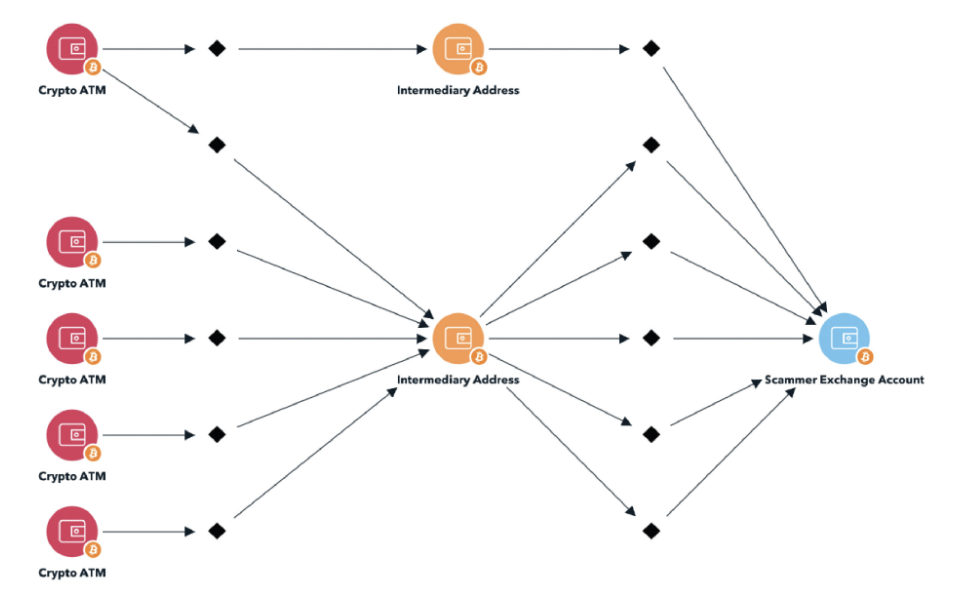
Reputable crypto exchanges are upfront about their costs. If a platform buries its fees in vague language, only reveals them at the point of withdrawal, or charges “network fees” that bear no resemblance to actual blockchain gas costs, something is wrong. This is one of the most overlooked crypto exchange red flags because users often only notice once they try to move their funds.
What to look for before using any exchange:
- Published fee schedules accessible without registration
- Clear distinction between trading fees, network fees, and service fees
- Fee amounts that match industry norms (typically 0.1%–1% per trade)
- No surprise “verification fees” to unlock withdrawals
Platforms like Godex operate on full fee transparency — the rate you see is the rate you get, with zero hidden costs and no registration required to check it.
Red Flag #4: No Licensing or Regulatory Compliance Information
While crypto regulation varies by jurisdiction, reputable exchanges acknowledge the regulatory landscape and operate within it where required. A platform that makes zero mention of compliance, licensing, KYC policies, or AML frameworks — especially one operating in regulated markets — is waving a major red flag.
This doesn’t mean every unlicensed exchange is fraudulent. Non-custodial and anonymous swap services have a different model. But they should still be transparent about that model, their data handling policies, and how they protect users.
Red Flag #5: Withdrawal Problems and Suspicious Delays
The most telling moment for any exchange scam comes at withdrawal. Fraudulent platforms often allow deposits and even small withdrawals freely — then lock accounts the moment significant funds are involved. Common tactics include:
- Demanding additional “tax payments” to release funds
- Requiring identity verification that never completes
- Citing vague “security reviews” that last indefinitely
- Making small withdrawals work while blocking large ones
If you encounter any of these patterns, stop sending funds immediately. This is the hallmark behavior of a fake exchange preparing to vanish.
Red Flag #6: Fake Volume and Manufactured Liquidity
Exchange scams often inflate their trading volume figures to appear established and trustworthy. In reality, this volume is either entirely fabricated or generated through wash trading — buying and selling between affiliated accounts to simulate activity.
You can cross-check reported volumes on independent analytics tools like CoinGecko or CoinMarketCap. If an exchange claims massive daily volume but has no listing on these aggregators — or if its figures don’t match — that discrepancy is a serious warning sign.
Red Flag #7: Suspicious or Cloned Website Design
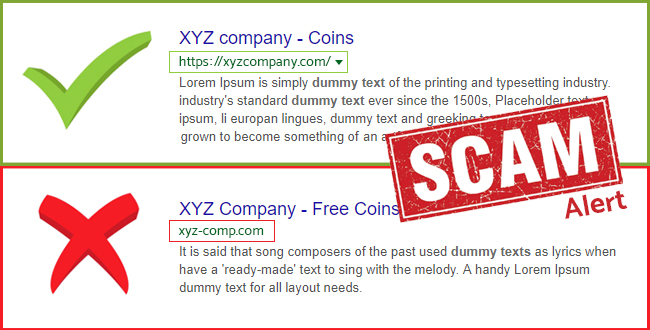
A fake exchange often clones a legitimate platform’s interface almost pixel-for-pixel. The URL is slightly different — maybe a swapped letter, an added hyphen, or a different domain extension. The logo looks right. The layout feels familiar. But the backend is entirely fraudulent.
Before using any exchange:
- Check the URL character by character
- Look for HTTPS and a valid SSL certificate (padlock icon)
- Search the domain creation date — very new domains on old-looking platforms are suspicious
- Look for grammatical errors, broken links, or inconsistent design elements
Scammers rely on users trusting visual familiarity. Don’t.
Red Flag #8: Aggressive Unsolicited Outreach
Legitimate crypto exchanges don’t cold-DM you on Telegram, Instagram, or Discord promising exclusive swap rates. If someone reaches out to you unprompted about a “limited-time opportunity” on a particular exchange — even if they seem knowledgeable or friendly — this is a classic social engineering precursor to an exchange scam.
The pattern often looks like this: someone builds rapport over days or weeks, then casually recommends a platform, helps you “navigate” it, and encourages you to deposit increasing amounts before the trap closes.
Red Flag #9: No Anonymous or Non-Custodial Option — or the Opposite Extreme
This red flag works in both directions. Some fake exchanges demand excessive personal data far beyond what KYC regulations require — then use it for identity theft or sell it. Others claim to be “completely anonymous” while actually storing all your data without telling you.
Genuine privacy-respecting platforms are transparent about exactly what data they collect and why. For example, Godex never collects personal data and deletes all order information after two weeks — and they state this policy clearly, publicly. That kind of explicit, verifiable commitment is what trust looks like.
If a platform’s privacy policy is missing, vague, or contradicted by its actual behavior during signup, that’s a red flag.
Red Flag #10: No Community Presence or Verifiable Track Record
Every exchange scam has one thing in common: it hasn’t been around long enough to build a real reputation. Before trusting any platform, research it across multiple independent sources — not just its own website.
| What to Check | Green Flag | Red Flag |
| User reviews | Consistent, detailed, multi-platform | Only 5-star reviews, all recent |
| Social media | Active community, real discussions | Bots, fake followers, no engagement |
| Domain age | Years of operation | Created within last 6–12 months |
| Press mentions | Coverage in crypto media | No external mentions at all |
| Team transparency | Named, verifiable individuals | Anonymous or fictional team |
| Withdrawal history | Positive user reports | Complaints about frozen funds |
How to Stay Safe: A Practical Pre-Swap Checklist
Knowing the red flags is half the battle. Applying them consistently before every swap is the other half. Use this checklist every time you consider a new platform:
- Verify company registration and team identity
- Confirm fee transparency before depositing
- Cross-check trading volume on independent aggregators
- Read withdrawal-specific reviews on Reddit, Trustpilot, and crypto forums
- Test with a small amount first — always
- Check the domain carefully for cloning
- Confirm privacy policy matches claimed data handling
What a Legitimate Exchange Actually Looks Like
To recognize a fake exchange, it helps to have a clear picture of what the real thing looks like in practice. Take Godex as a reference point: it’s a non-custodial crypto swap platform supporting over 934 coins, requiring no registration, collecting no personal data, and offering full rate transparency before you commit to any swap.
No account. No hidden fees. No data harvesting. Just a fast, blockchain-powered exchange where the rate shown is the rate you get.
That kind of clarity — operationally and communicatively — is the baseline you should expect from any platform you trust with your assets. Godex also offers an affiliate program for those interested in the ecosystem: partners earn up to 0.6% of total transaction volume, with a 0.005 BTC welcome bonus on registration.
The Bottom Line
Crypto exchange scams are evolving, but so is the community’s ability to detect and expose them. The 10 red flags covered here — from fake trading volumes and clone websites to withdrawal traps and manufactured social proof — give you a framework to evaluate any platform before you risk your funds.
The rule is simple: if something feels off, it probably is. Legitimate exchanges have nothing to hide and everything to prove. They show you their fees, explain their policies, and let their track record speak for itself.
Do your research. Use the checklist. Trust platforms that earn it — and never those that demand it upfront.
Start a Cryptocurrency exchange
Try our crypto exchange platform
Disclaimer: Please keep in mind that the content of this article is not financial or investing advice. The information provided is the author’s opinion only and should not be considered as direct recommendations for trading or investment. Any article reader or website visitor should consider multiple viewpoints and become familiar with all local regulations before cryptocurrency investment. We do not make any warranties about reliability and accuracy of this information.
Read more
Chiliz coin (CHZ) offers a compelling opportunity for traders interested in the intersection of blockchain technology and sports. By enabling fans to influence team decisions through the Socios app, Chiliz directly monetizes fan engagement and connects with major sports teams like Juventus and Paris Saint-Germain. These partnerships not only enhance the platform’s visibility but also […]
The exponential growth of Bitcoin Satoshi Vision (BSV) against the general bear trend on the cryptocurrency market in autumn 2019 has impressed the community. Due to the increasing market capitalization, the newly emerged altcoin was ranked 5th on CoinMarketCap and managed to maintain its high position at the beginning of 2020. In the article we […]
EOS is definitely on the list of the strongest and most stable projects in the crypto world. Despite the fact that the currency entered the market less than 3 years ago, it consistently occupies one of the top 10 places in the rating for project capitalization. it is often called the “main competitor of Ethereum”. […]
XRP price prediction 2026-2027: bear, base, and bull scenarios with ranges and named sources, the resolved SEC case, live spot ETFs, and can XRP reach $10?
In this article we will talk about Ripple (XRP) and its price prediction. What is Ripple (XRP) Ripple is a San Francisco-based startup that was launched in 2012 by Ripple Labs as a global network both for cross-currency and gross payments. Ripple history began in 2004 with the discussions around the digital coin in the […]
You may well think that an article dedicated to a Tether price prediction or the Tether price in general is a little bit strange — it is a stablecoin after all. However, the price of Tether does fluctuate significantly, although it is nowhere near as volatile as non-stablecoin cryptos. This means that staying up to […]