
 Peter Moore
Table of Contents
The European crypto market looks very different than it did two years ago. Since the Markets in Crypto-Assets Regulation (MiCA) became applicable on December 30, 2024 — with a transitional grandfathering period running to July 1, 2026 — dozens of exchanges have withdrawn from Europe, restructured their operations, or quietly stopped serving EU customers. The ones that remain standing are either fully licensed under MiCA’s CASP framework, or operating outside its scope entirely, which is legally possible under specific conditions.
This guide covers the best crypto exchanges for European users in 2026: who stayed, how they adapted, and what each platform actually offers traders today.
What MiCA Actually Changed (And What It Didn’t)
MiCA didn’t kill crypto in Europe — it filtered it. The regulation created a licensing framework called the Crypto-Asset Service Provider (CASP) authorization, requiring exchanges that offer services to EU residents to register with a national competent authority, implement strict AML/KYC procedures, maintain capital reserves, and follow detailed custody rules for customer funds.
For large custodial exchanges like Coinbase, Kraken, and Bitstamp, this meant significant compliance investment — but also a legitimate path to operating across all 27 EU member states under a single “passporting” regime, tracked in the ESMA register of authorized CASPs. Many mid-tier platforms couldn’t absorb those costs and exited. The transition hasn’t been uniform: individual member states chose their own grandfathering windows, ranging from six months (Netherlands) to the full 18 months ending July 1, 2026 (France, Malta, Luxembourg). The result has been a patchwork of compliance timelines rather than a single cliff edge.
What MiCA didn’t regulate, however, was non-custodial exchanges — platforms where users retain control of their own wallets at all times and the exchange never holds customer funds. This distinction matters enormously for European users who want privacy and freedom in their trading.
The 7 Best Crypto Exchanges for European Users in 2026
1. Godex — Instant Swaps, No Account Required
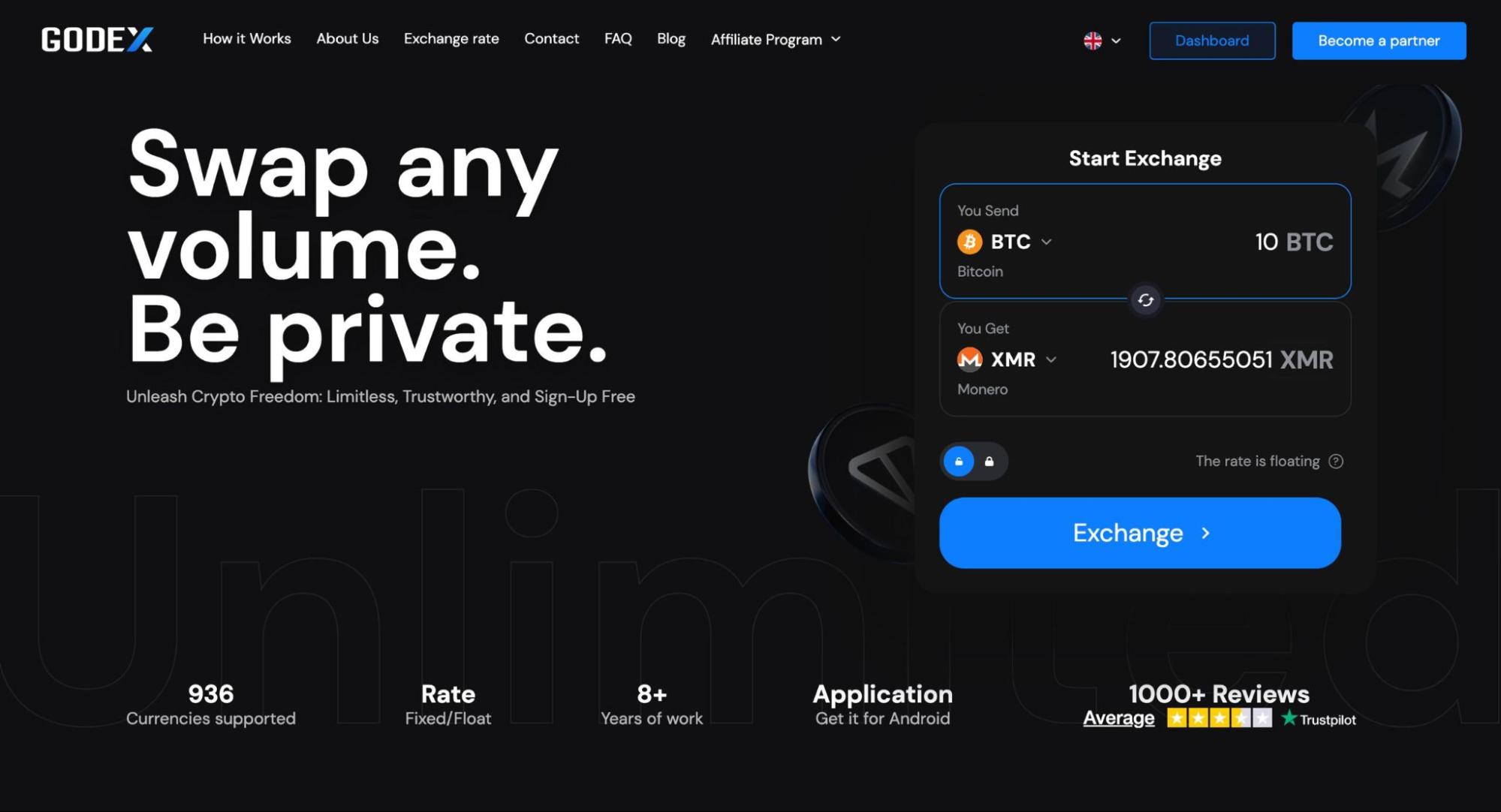
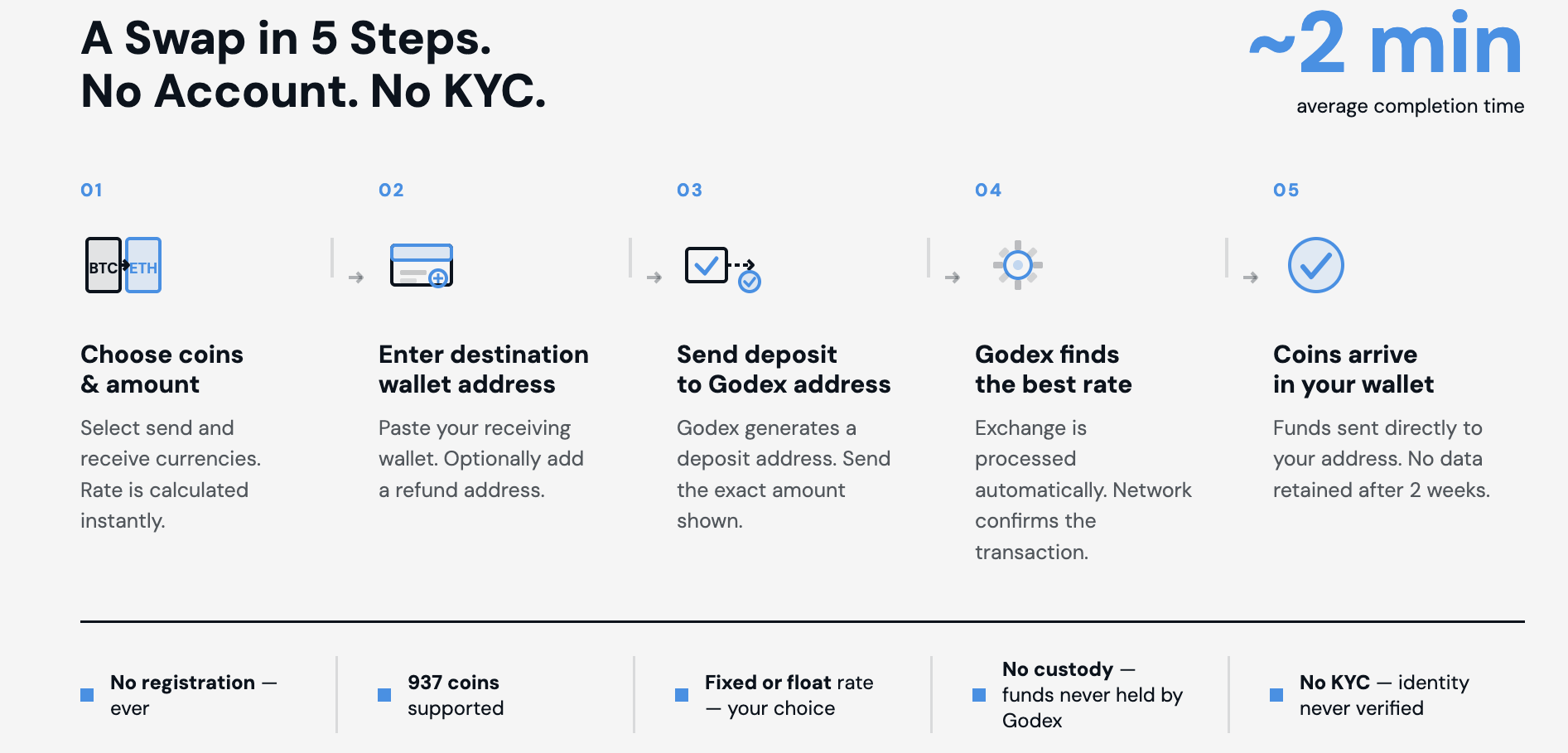
Godex is a non-custodial swap platform with over eight years of operation: it never holds user funds, requires no account, and skips KYC entirely. Because it doesn’t take custody of assets, it occupies a legally distinct category from the custodial exchanges below — and has continued serving European users through the MiCA transition without the stablecoin delistings or feature rollbacks that have affected regulated platforms.
The defining number is 937 supported cryptocurrencies — roughly four times Coinbase’s EU catalog and ten times Bitstamp’s — including many assets that didn’t survive the compliance filter at regulated exchanges.
What it offers:
- Instant crypto-to-crypto swaps with no registration and no KYC
- 937 supported currencies, including assets unavailable on regulated EU platforms
- Fixed and floating rate options; no personal data collected, orders deleted after two weeks
- Unlimited exchange volume with no thresholds or caps
The tradeoff: No fiat on-ramp, order book, or margin trading. Built for traders who already hold crypto and want to move between assets quickly and privately.
2. Coinbase — The MiCA Standard-Bearer
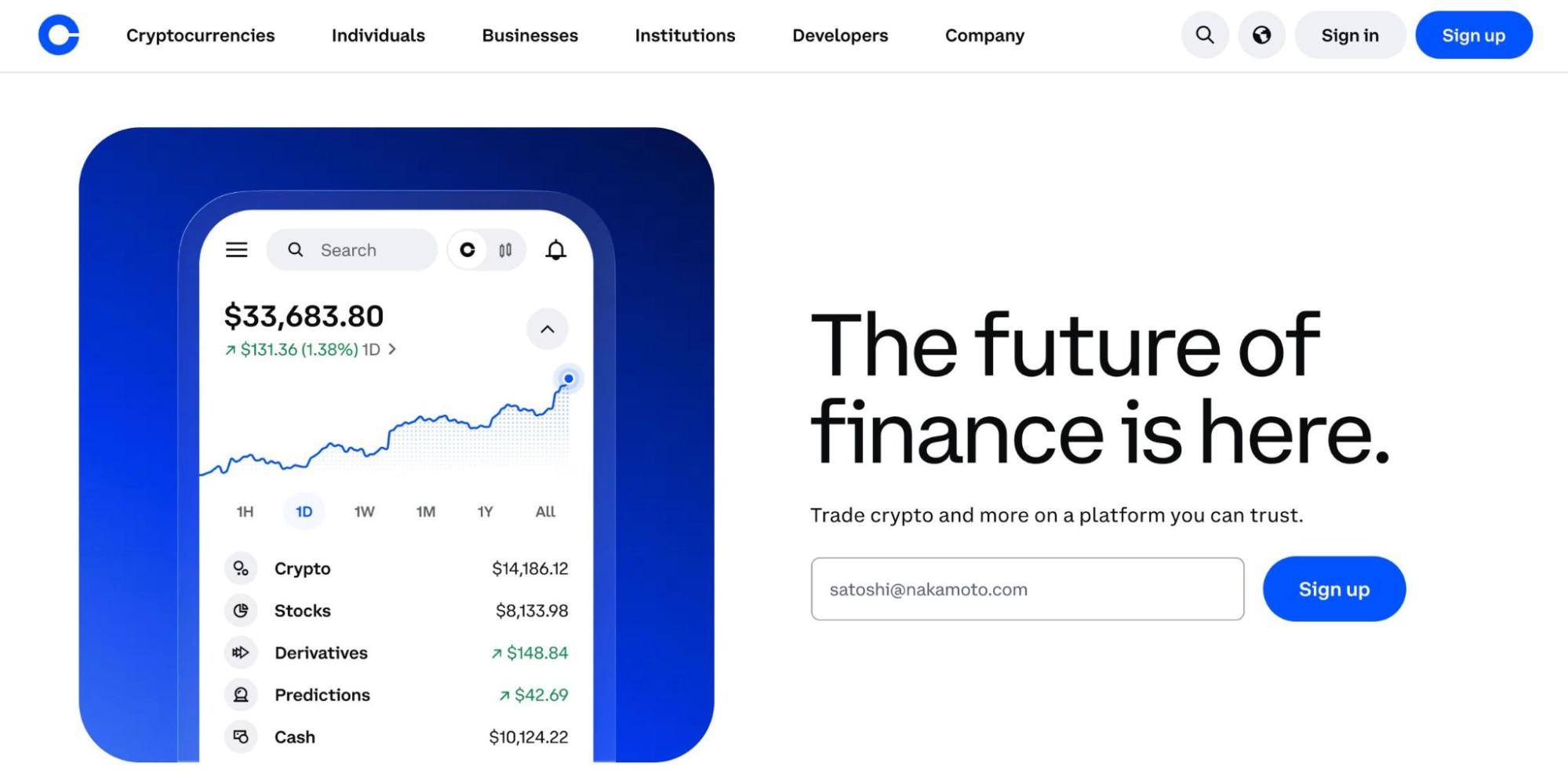
Coinbase was the first US exchange to receive full MiCA CASP authorization, granted by Luxembourg’s CSSF (Commission de Surveillance du Secteur Financier) through its Luxembourg entity, CB Lux. The company had previously designated Ireland as its EU hub but switched to Luxembourg ahead of the MiCA licensing process. For European users, this means full regulatory protection: segregated customer funds, a published reserve proof, clear dispute resolution procedures, and deposit insurance frameworks in some jurisdictions.
What it offers:
- Full EUR fiat on/off ramps via SEPA
- Staking for ETH, POL (formerly MATIC), and other assets
- Regulated derivatives products in select EU countries
- Advanced trading via Coinbase Advanced (formerly Pro)
The tradeoff: Coinbase is thorough on KYC. Expect full identity verification, proof of address, and transaction monitoring. For traders who want to move between assets quickly without identity paperwork, a non-custodial swap tool is a better fit for that part of the workflow.
3. Kraken — Trusted Veteran with a European Footprint
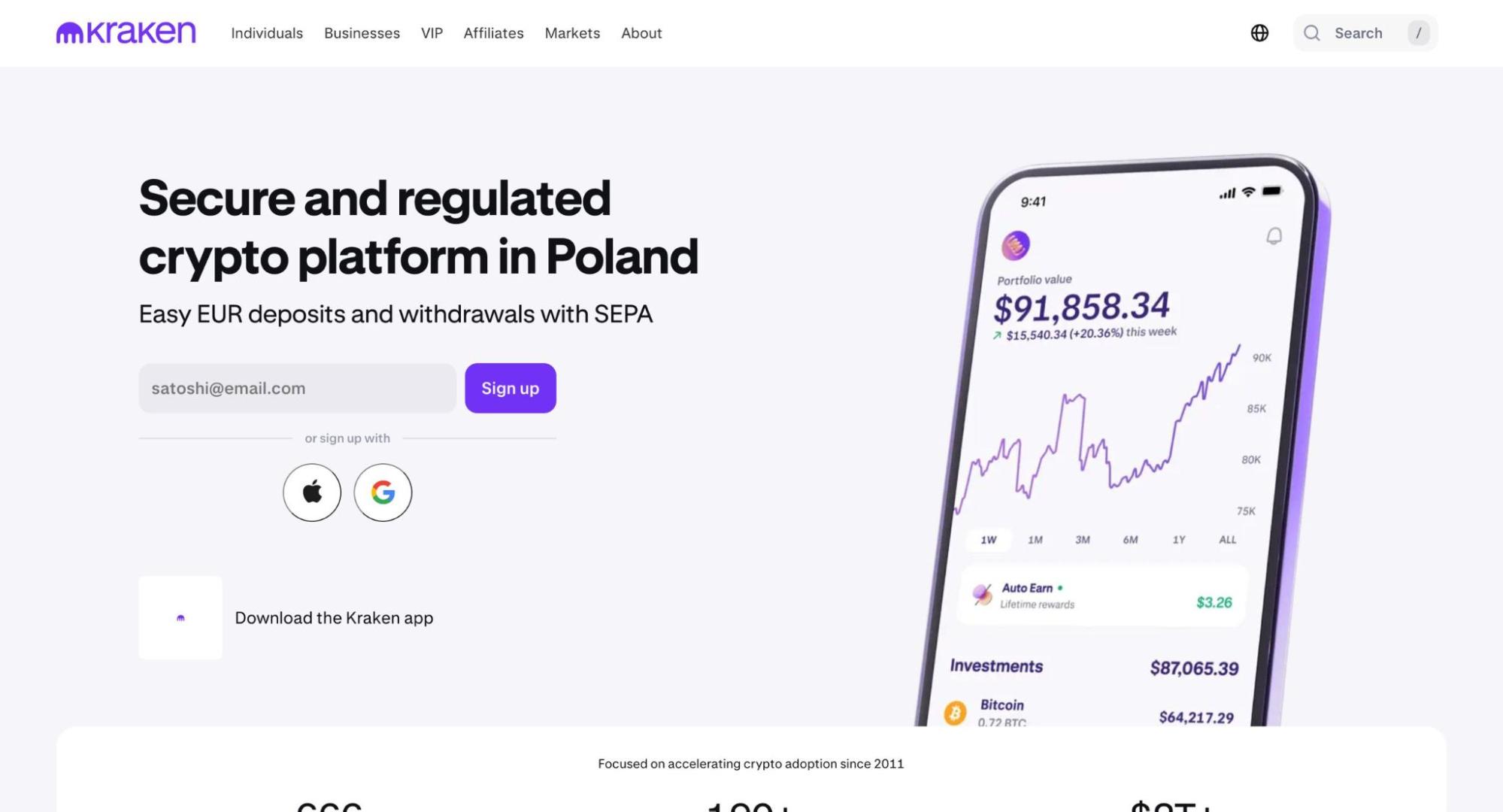
Kraken has operated in Europe for over a decade and was well-positioned for MiCA compliance. The exchange holds licenses in multiple EU jurisdictions and has consistently ranked among the most respected platforms for security and transparency.
What it offers:
- Deep liquidity on major pairs (BTC/EUR, ETH/EUR)
- Margin and futures trading for verified users
- Kraken Pro for lower fees and more advanced order types
- SEPA instant transfers
The tradeoff: Not the most competitive on altcoin selection. Kraken’s EU catalog covers major assets well, but if you’re looking to swap into newer or less mainstream tokens — including assets that never made it onto regulated EU exchanges — you’ll need to look elsewhere.
4. Bitstamp — Europe’s Oldest Exchange, Still Standing
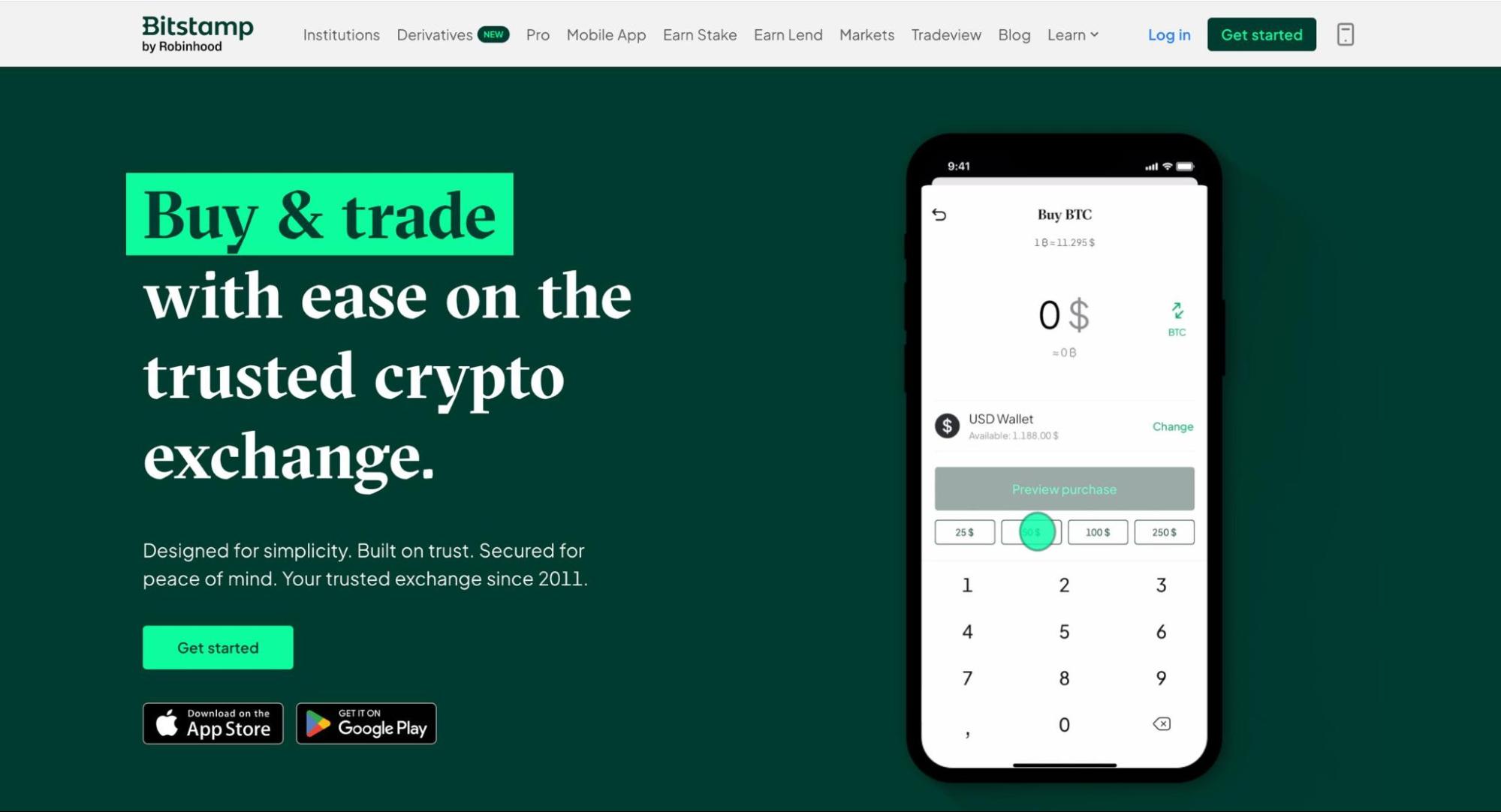
Founded in 2011 in Slovenia (now headquartered in Luxembourg), Bitstamp is arguably the most historically rooted exchange in Europe. Acquired by Robinhood in 2024, it continues to operate as a standalone brand. It holds MiCA CASP authorization through its Luxembourg entity, building on the Payment Institution license it had previously held from the Luxembourg financial regulator.
What it offers:
- Institutional-grade infrastructure
- Strong EUR liquidity for BTC, ETH, XRP, LTC
- API access for algorithmic traders
- Trailblazer status — Bitstamp has survived every crypto cycle
The tradeoff: Bitstamp’s coin selection is deliberately narrow — around 85 assets. It’s built for traders who care about Bitcoin and a handful of blue-chip assets. Anyone needing to swap across a broader range of coins will quickly hit its limits.
5. Bitpanda — The European-Born Challenger

Vienna-based Bitpanda is arguably the exchange that was most ready for MiCA — it had already been operating under Austrian financial regulation for years before the EU-wide framework arrived. In 2026, it stands as one of the few exchanges that is both European-born and fully licensed.
What it offers:
- Fractional investing (crypto, stocks, ETFs, metals, on one platform)
- Bitpanda Pro for active traders
- Native BEST token offering fee discounts
- Strong mobile experience
The tradeoff: Full KYC and account creation are required before you can trade anything. Higher fees on the base platform also mean casual swaps cost more than they should. Traders who want to exchange quickly between specific coins — without building an investment account — will find Bitpanda’s onboarding heavier than necessary for that use case.
6. Bybit — The Offshore Giant That Chose Compliance
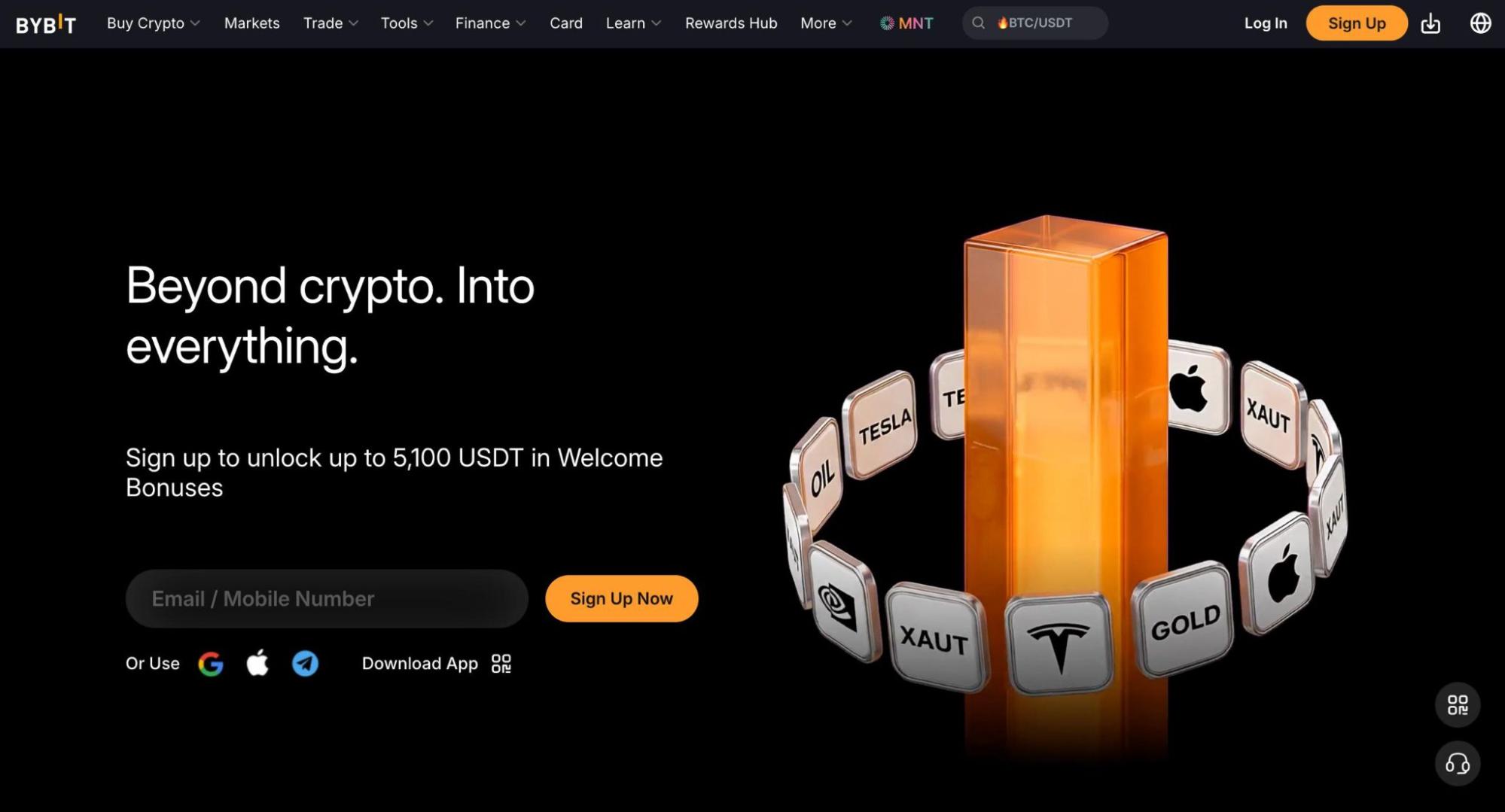
Bybit spent 2023–2024 in a difficult position — its global model clashed with incoming EU regulation. But rather than exit Europe entirely, Bybit secured its MiCA CASP license from Austria’s FMA (Finanzmarktaufsicht) in May 2025 and moved its European headquarters to Vienna. The result is a bifurcated product: a compliant, KYC-verified EU platform with regulated features, alongside its global platform for non-EU users.
What it offers:
- One of the deepest derivatives markets in crypto
- Spot, perpetuals, options, and copy trading
- Launchpad for new token listings
- Competitive maker/taker fee structure
The tradeoff: The EU-regulated version of Bybit is a pared-down product compared to its global platform — fewer pairs, mandatory full KYC, and tighter restrictions on what you can trade. Users who want a quick token-to-token swap without registering an account will find the Bybit EU onboarding process significantly more friction than the trade itself warrants.
7. OKX — Global Volume, EU Presence
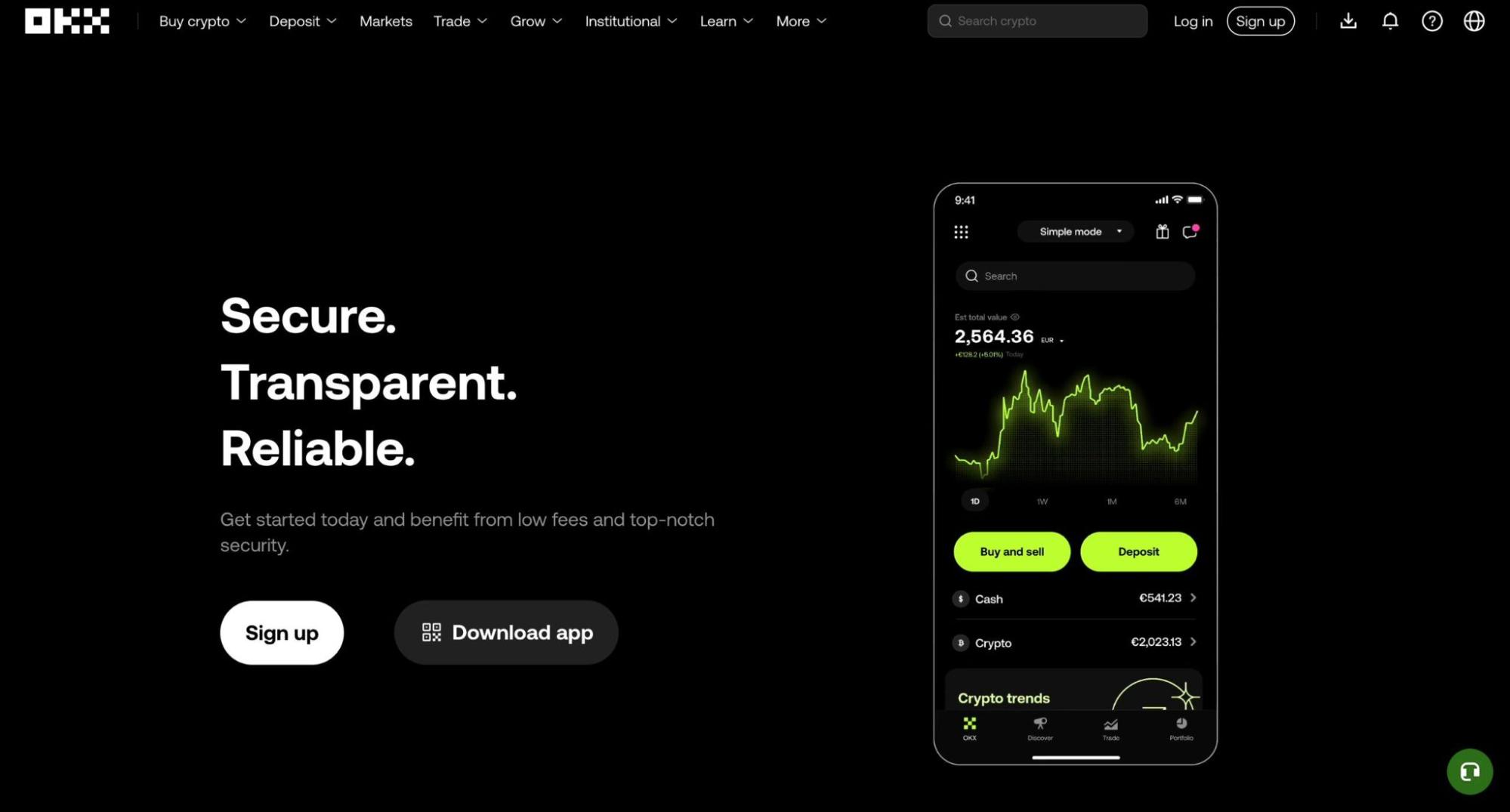
OKX, one of the world’s largest exchanges by volume, maintained and expanded its European presence through 2025. It became the first global exchange to receive MiCA pre-authorization, with its license granted by Malta’s MFSA in January 2025. Its web3 wallet and DEX aggregator products sit outside MiCA’s custodial requirements.
What it offers:
- Vast selection of altcoins and trading pairs
- Native Web3 wallet integrated into the exchange
- Copy trading, earn products, and structured products
- High liquidity on obscure pairs
The tradeoff: OKX’s complexity can overwhelm newer users, and its compliance history in Europe has been rocky — the platform was fined €1.1 million by Malta’s financial intelligence unit for AML failures in 2023, and its MiCA license drew scrutiny for the unusually fast approval process. For traders who value a straightforward, uncomplicated swap experience, the platform’s scale works against it.
Head-to-Head: Europe’s Top Crypto Exchanges Compared
| Exchange | MiCA CASP Licensed | Registration Required | KYC Required | Coins Available* | Best For |
| Godex | Non-custodial | ❌ Not required | ❌ Not required | ~937 | Instant swaps, maximum privacy |
| Coinbase | ✅ Yes (Luxembourg) | ✅ Yes | ✅ Full | ~240 | Regulated retail, staking |
| Kraken | ✅ Yes (Ireland) | ✅ Yes | ✅ Full | ~220 | Experienced traders, EUR pairs |
| Bitstamp | ✅ Yes (Luxembourg) | ✅ Yes | ✅ Full | ~85 | BTC-focused, institutional |
| Bitpanda | ✅ Yes (Austria) | ✅ Yes | ✅ Full | ~500+ (multi-asset) | European all-in-one investing |
| Bybit (EU) | ✅ Yes (Austria) | ✅ Yes | ✅ Full | ~300 (EU) | Derivatives traders |
| OKX | ✅ Yes (Malta) | ✅ Yes | ✅ Full | ~240 (EU) | Altcoin traders, Web3 |
*Coin counts are approximate and reflect EU-available assets, which may differ from global platform totals. Figures subject to change.
What the MiCA Crackdown Actually Means for You
MiCA created real protections for EU crypto users — and real friction. Here’s how to think about the tradeoffs:
If you want:
- Regulatory protection and fiat access → Use a MiCA-licensed exchange (Coinbase, Kraken, Bitstamp, Bitpanda)
- Maximum coin selection with privacy → A non-custodial swap service like Godex
- Advanced derivatives → Bybit EU or OKX with full KYC verification
- All-in-one European investing → Bitpanda, which extends beyond crypto into stocks and ETFs
The honest answer is that most active traders use more than one platform. A regulated exchange for fiat on/off ramps and staking; a non-custodial swap tool for quick token-to-token trades without paperwork.
Which Exchanges Left Europe After MiCA?
For context, here’s what the post-MiCA landscape cost the industry:
- Binance exited the Netherlands and Belgium in 2023 — not because of MiCA directly, but because it failed to secure national VASP registrations that predated MiCA. It similarly withdrew license applications in Germany, Austria, and Cyprus. Its post-MiCA EU compliance path has been the most contested of any major exchange. By early 2026, Binance had applied for a MiCA CASP license in Greece, signaling an attempt to re-establish a regulated EU presence — but authorization remains pending.
- Huobi/HTX largely exited EU retail markets.
- Several smaller DEX aggregators and token swap platforms became non-functional for EU IPs as operators didn’t pursue licensing.
- Privacy coin trading was restricted or removed from most licensed EU platforms — Monero (XMR) delistings became common as MiCA’s AML requirements made privacy coins difficult to support under compliance frameworks. FATF guidance on virtual assets has long flagged anonymity-enhancing features as elevated-risk, and MiCA-licensed exchanges largely followed suit.
This last point is significant. For traders in assets like XMR, ZEC, or DASH, the regulated EU exchange ecosystem in 2026 has shrunk noticeably. Non-custodial platforms remain one of the few environments where these assets can still be freely swapped.
How to Choose the Right Exchange for You in 2026
The right platform depends on what you actually need. Work through these questions:
- Do you need to buy crypto with euros? If yes, start with a MiCA-licensed exchange with a SEPA fiat on-ramp. Kraken and Bitpanda both offer competitive options. Once you hold crypto, Godex takes over for everything from there.
- Do you want to swap between coins without creating an account? Godex. No registration, no KYC, no waiting for verification to clear. Select your coins, paste your wallet address, send, receive. The entire process takes minutes from a cold start.
- What coins do you trade? If you stick to BTC, ETH, and major tokens, any regulated platform covers you. If you trade beyond that — newer altcoins, assets that didn’t survive MiCA’s compliance filter, or coins with fewer than 10,000 holders — Godex’s 937-coin catalog is where you’ll find them. No other platform on this list comes close.
- How important is privacy to you? Every regulated EU exchange links your identity to your transaction history by design. Godex collects no personal data and deletes order information after two weeks. For traders who prefer to keep their on-chain activity unattached to a KYC profile, it’s the only practical option in this list.
- Are you an active or passive trader? Passive investors who dollar-cost average into BTC/ETH are well-served by Bitpanda or Coinbase. Active traders who want tight spreads and deep order books should look at Kraken or Bybit EU. Traders who need to move between specific assets quickly and without friction — Godex.
The Bottom Line
The MiCA regulation didn’t simplify the European crypto landscape — it layered it. There are now roughly two tiers of platforms serving EU traders: fully licensed CASPs operating within the regulatory framework, and non-custodial services that operate outside it by design.
The licensed platforms deliver fiat integration, regulatory protections, and staking products. Godex delivers something different: instant access to 937 cryptocurrencies, with no registration, no KYC, no data retention, and no feature rollbacks driven by compliance deadlines. For traders who already hold crypto and want to move between assets efficiently and privately, that combination is genuinely hard to find anywhere else in the European market right now.
Most active traders end up using both tiers. A regulated exchange to convert euros into crypto; Godex for everything after that. The exchanges that survived the MiCA crackdown did so by being either well-capitalized enough to absorb compliance costs, or architecturally positioned outside MiCA’s scope from the start. Godex chose the second path — and after eight years, it’s still running.
FAQ
Can I trade crypto in Europe without KYC or account registration?
Yes, through non-custodial swap platforms. Because they never hold your funds, they sit outside MiCA’s CASP licensing requirements, which apply specifically to custodial services. Godex works this way — you select coins, paste your wallet address, send, receive. No account, no identity verification, no data retained beyond two weeks. Every regulated exchange on this list requires full KYC by design; non-custodial swaps are the practical alternative for traders who want to move between assets without building a compliance profile.
Are non-KYC crypto exchanges legal in Europe under MiCA?
Non-custodial platforms that never hold user funds occupy a legally distinct category under MiCA — the regulation’s CASP licensing framework targets custodial intermediaries, not peer-to-peer or non-custodial architectures. Using them is not illegal for the user. That said, regulators have flagged that the exemption boundaries require case-by-case assessment, so it’s worth distinguishing between a genuine non-custodial swap service and an offshore custodial exchange deliberately avoiding compliance — those are very different risk profiles. Standard AML rules still apply at the national level regardless.
What is the difference between a custodial and non-custodial crypto exchange?
A custodial exchange holds your funds on your behalf — you deposit crypto into their wallet, they manage it, and you trust them to return it. Coinbase, Kraken, and Bitstamp all work this way. A non-custodial platform never takes possession of your assets: you swap directly from your own wallet to another wallet, and the platform only facilitates the rate-matching and routing. The practical differences are significant — custodial platforms require KYC, are subject to MiCA licensing, and can freeze accounts; non-custodial platforms like Godex require neither registration nor trust in a third-party custodian.
Can I still trade Monero (XMR) and privacy coins in Europe in 2026?
Not on regulated MiCA-licensed exchanges. Monero, Zcash, and Dash were progressively delisted across licensed EU platforms through 2024–2025 because MiCA’s AML compliance requirements are functionally incompatible with assets that obscure transaction trails — something FATF guidance has flagged as elevated risk for years. Non-custodial swap platforms are the remaining practical venue where these assets can still be freely exchanged in Europe. Godex supports XMR and other privacy coins as part of its 937-coin catalog, precisely because the non-custodial model doesn’t impose the same compliance filter that forces licensed exchanges to delist them.
What is the fastest way to exchange crypto in Europe in 2026?
Non-custodial instant swap platforms are faster than any registered exchange for coin-to-coin trades because there’s no onboarding, no KYC queue, and no order book to navigate. With Godex, the full process — selecting coins, entering a wallet address, sending the deposit — takes a few minutes from a standing start. Registered exchanges like Kraken and Bybit offer competitive execution once your account is verified, but getting to that point requires identity checks that can take hours to days. For traders who already hold crypto and want to move between assets quickly, instant swap is the faster path by a significant margin.
Which exchange should I use if I want to buy crypto with euros for the first time?
Start with a MiCA-licensed exchange that has SEPA integration — Kraken, Bitpanda, and Bitstamp are the most established options for EUR deposits. Kraken suits traders who want depth and competitive rates on major pairs. Bitpanda is the most beginner-friendly and also covers stocks and ETFs if you want a single investment app. Bitstamp is the most conservative choice, built around Bitcoin and a narrow set of blue-chip assets. Once you hold crypto, a non-custodial swap service like Godex becomes useful for moving between coins without going back through fiat — the two tiers complement each other rather than compete.
Start a Cryptocurrency exchange
Try our crypto exchange platform
Disclaimer: Please keep in mind that the content of this article is not financial or investing advice. The information provided is the author’s opinion only and should not be considered as direct recommendations for trading or investment. Any article reader or website visitor should consider multiple viewpoints and become familiar with all local regulations before cryptocurrency investment. We do not make any warranties about reliability and accuracy of this information.
Read more
You may well think that an article dedicated to a Tether price prediction or the Tether price in general is a little bit strange — it is a stablecoin after all. However, the price of Tether does fluctuate significantly, although it is nowhere near as volatile as non-stablecoin cryptos. This means that staying up to […]
In the article we share our vision at Zcash cryptocurrency main features and add several price predictions. As cryptocurrencies gain global acceptance and decentralisation slowly enters our lives, privacy becomes the main concern when talking about blockchain adoption. It is no secret that distributed ledger is by far the most secure and transparent technology ever […]
Chiliz coin (CHZ) offers a compelling opportunity for traders interested in the intersection of blockchain technology and sports. By enabling fans to influence team decisions through the Socios app, Chiliz directly monetizes fan engagement and connects with major sports teams like Juventus and Paris Saint-Germain. These partnerships not only enhance the platform’s visibility but also […]
The exponential growth of Bitcoin Satoshi Vision (BSV) against the general bear trend on the cryptocurrency market in autumn 2019 has impressed the community. Due to the increasing market capitalization, the newly emerged altcoin was ranked 5th on CoinMarketCap and managed to maintain its high position at the beginning of 2020. In the article we […]
EOS is definitely on the list of the strongest and most stable projects in the crypto world. Despite the fact that the currency entered the market less than 3 years ago, it consistently occupies one of the top 10 places in the rating for project capitalization. it is often called the “main competitor of Ethereum”. […]
XRP price prediction 2026-2027: bear, base, and bull scenarios with ranges and named sources, the resolved SEC case, live spot ETFs, and can XRP reach $10?